
What makes Grants Biotech’s systems different from standard biogas plants? + -
Most traditional anaerobic digesters are designed for liquid slurries or food waste and struggle with tough, fibrous materials. Our proprietary technology is specifically engineered for high-cellulosic waste (such as cut flower stalks and straw) that typically clogs or stalls conventional systems. We provide a commercially viable way to digest the difficult waste other systems cannot reach.
What types of waste can be processed in an anaerobic digester? + -
Anaerobic digesters can process a wide range of organic materials, including agricultural residues, food waste, animal manure, crop residues, horticultural waste, and organic by-products from agro-processing industries. Grants Biotech specializes in the digestion of high cellulosic organic wastes such as cut flowers and other fibrous agricultural materials that are often challenging for conventional systems.
What can the biogas be used for? + -
Biogas can be used to generate electricity, produce heat, provide clean cooking fuel, or be upgraded into high-quality biomethane for a variety of energy applications. This allows businesses to reduce energy costs while increasing the value recovered from their waste streams.
Is anaerobic digestion financially viable? + -
The financial viability of an anaerobic digestion project depends on factors such as the type and volume of waste available, energy requirements, operating costs, and potential revenue from energy and by-products. Through waste analysis, feasibility studies, and laboratory testing, Grants Biotech helps clients evaluate project viability before making investment decisions.
Does an anaerobic digester produce unpleasant odors? + -
When properly designed and operated, anaerobic digestion systems are enclosed and can significantly reduce odors compared to traditional waste handling and disposal methods. In many cases, the material leaving the digester is less odorous than the waste entering the system.
What happens to the material left after digestion? + -
The material remaining after digestion, known as digestate, contains valuable nutrients and organic matter. It can be processed into fertilizer, soil conditioners, compost, and other agricultural products, creating additional value from the waste stream while supporting sustainable farming practices.

Anaerobic Digestion Consultancy
Anaerobic Digester Design
Engineering, Procurement &
Contracting
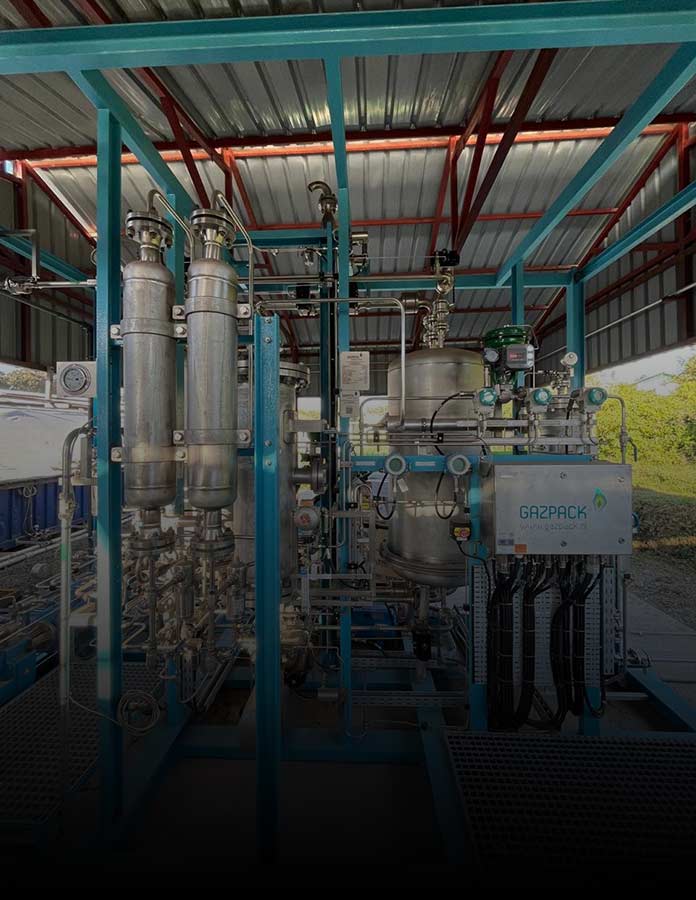
Gas Upgrading &
CO₂ Capture
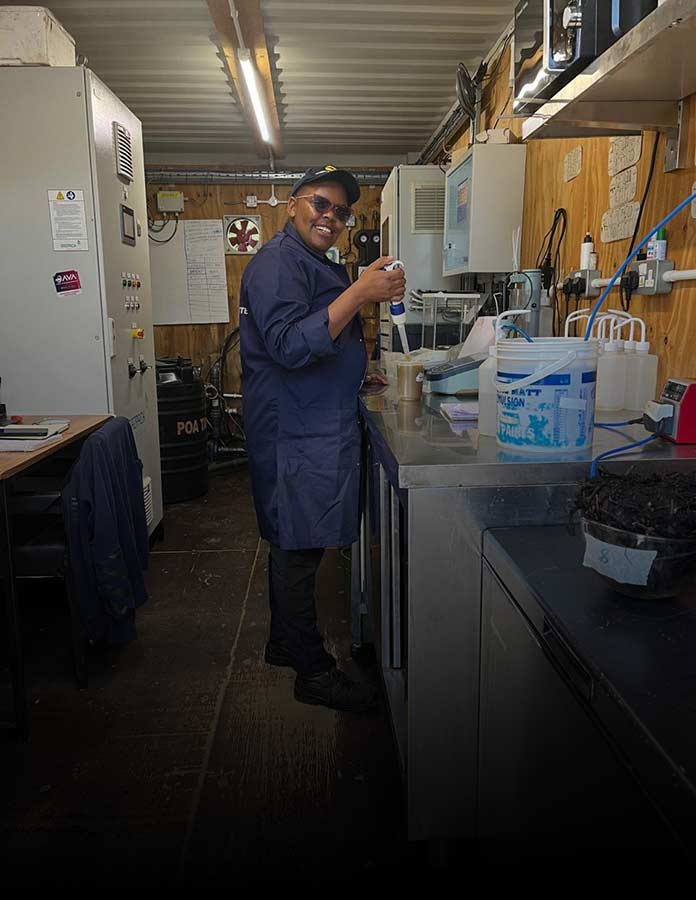
Laboratory Support Services
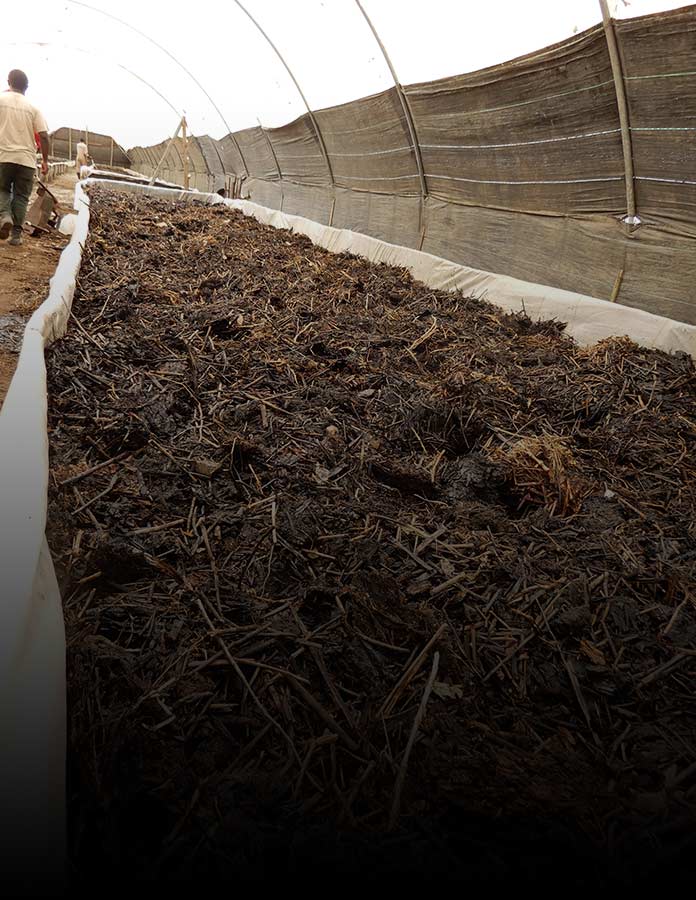
Nutrient Recovery and
Soil Conditioning
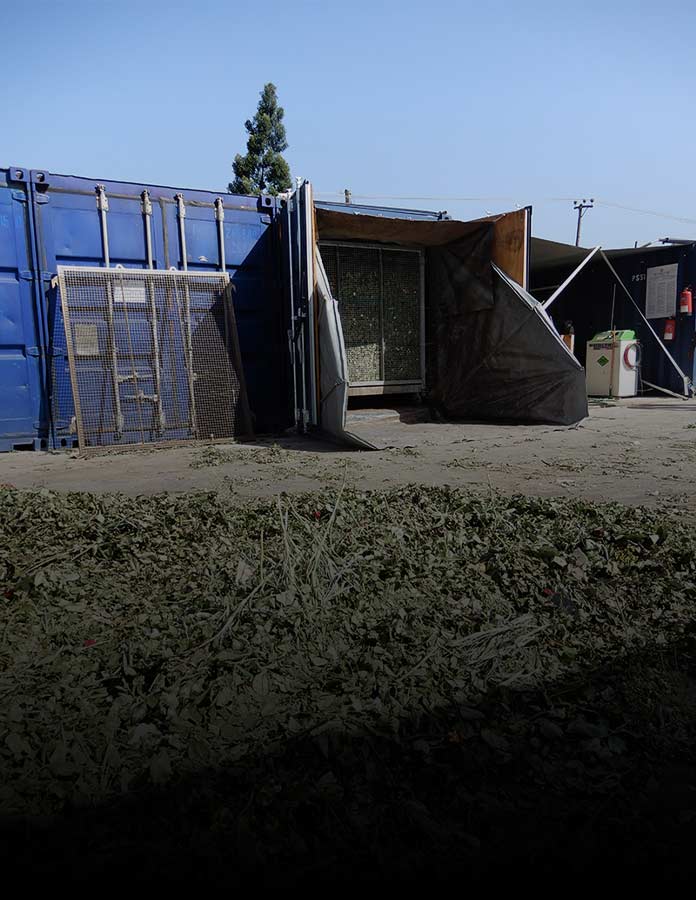
High Cellulosic Waste
Digestion